One sprinkler zone with low pressure usually starts with a simple observation: one area sprays weakly while the rest of the system looks normal. In Granbury, heat, shifting soil, long pipe runs, lake-area slope, and mowing damage can make a small pressure loss show up quickly as dry turf.
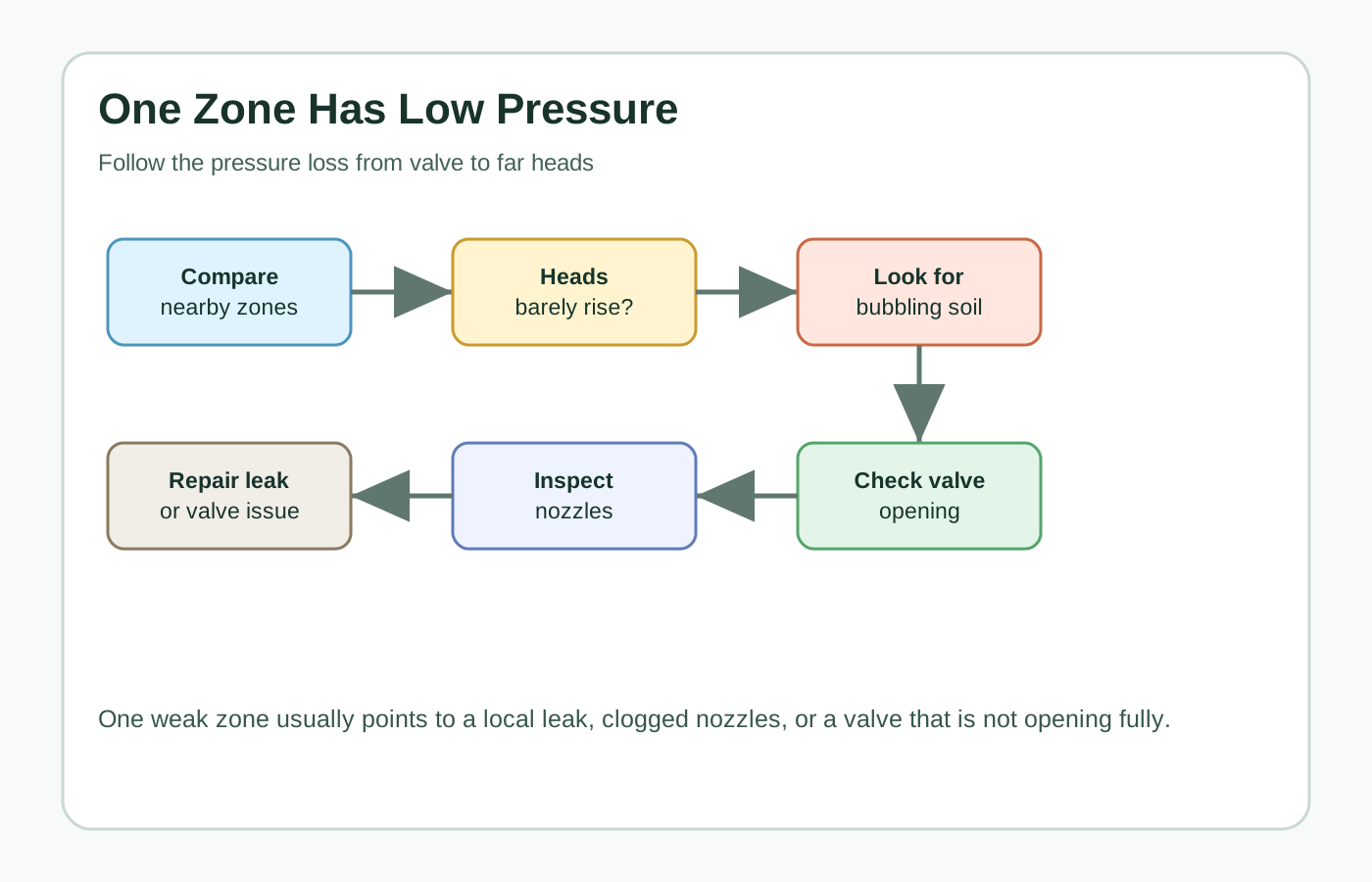
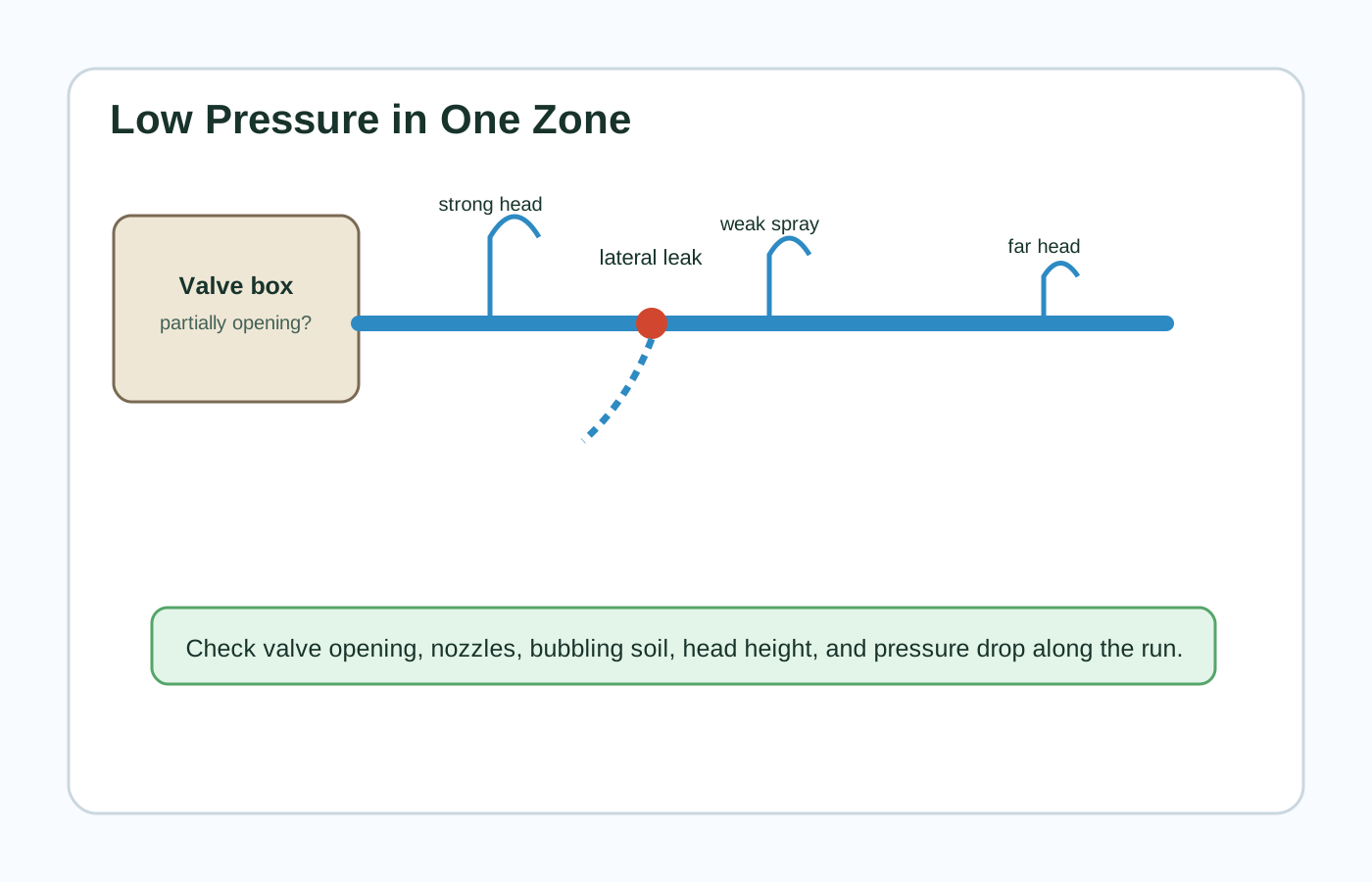
The first step is comparison. If every zone is weak, the cause may be near the water supply, shutoff, backflow assembly, or main line. If only one zone is weak, the inspection should focus on that zone valve, lateral pipe, clogged nozzles, head height, and whether the far heads are losing pressure before they can rise.
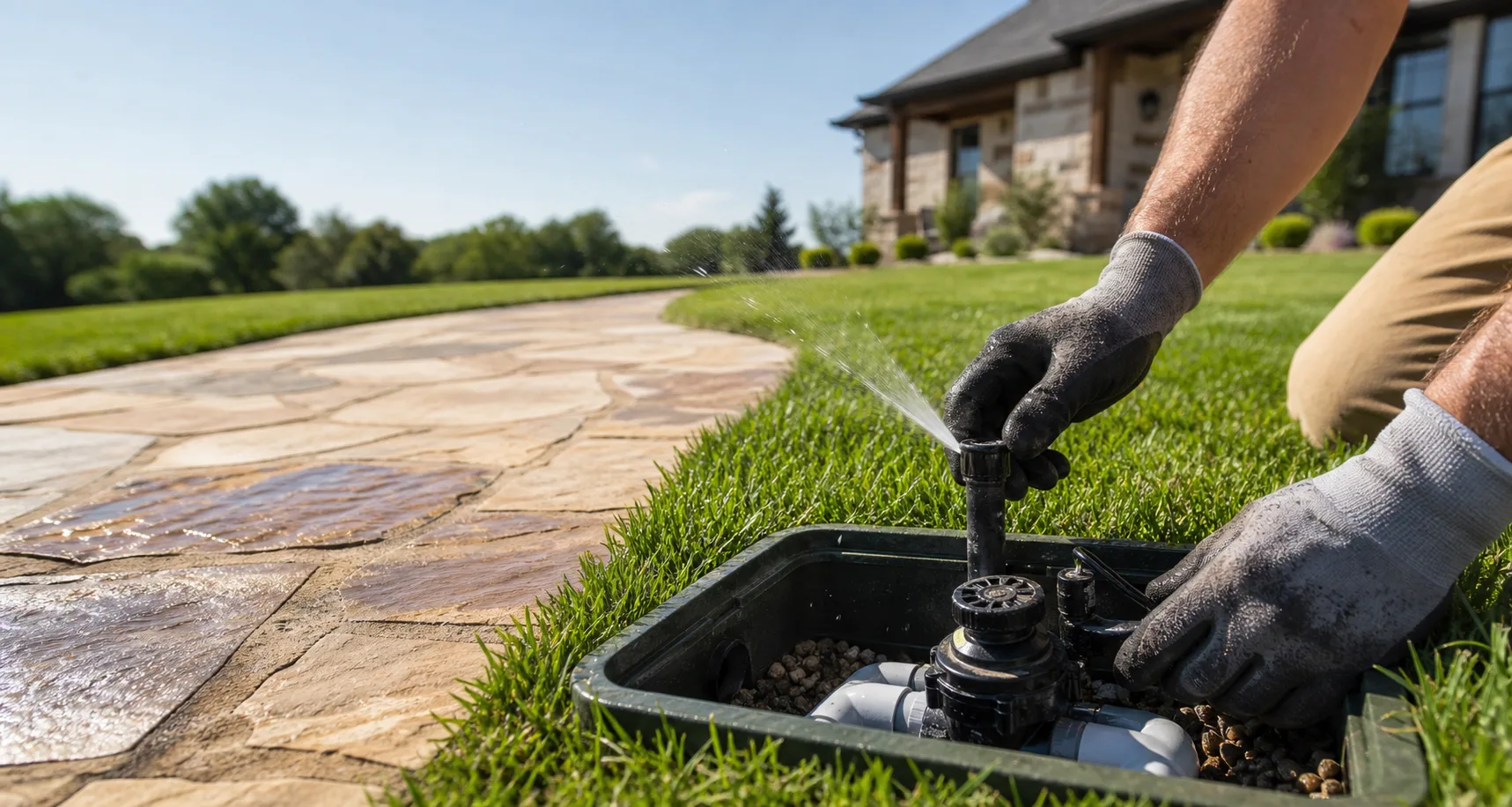
A partially opening valve can make an entire zone look weak. Debris, wear, or solenoid problems can prevent the valve from opening fully. A lateral line leak can also lower pressure before water reaches the heads. Bubbling soil, a sudden wet area, or a section that stays muddy can be a stronger clue than the weak spray itself.
Nozzles and heads still matter. A clogged screen, mismatched nozzle, tilted riser, buried head, or damaged spray body can create dry spots even when pressure is acceptable. A useful repair visit should check both the pressure source and the visible head performance.
Before requesting repair, note whether the change was sudden or gradual, whether heads barely rise, and whether the weak zone is near a slope, driveway, fence line, or long run. Granbury homeowners can call (817) 373-5484 for routing to local sprinkler repair help.