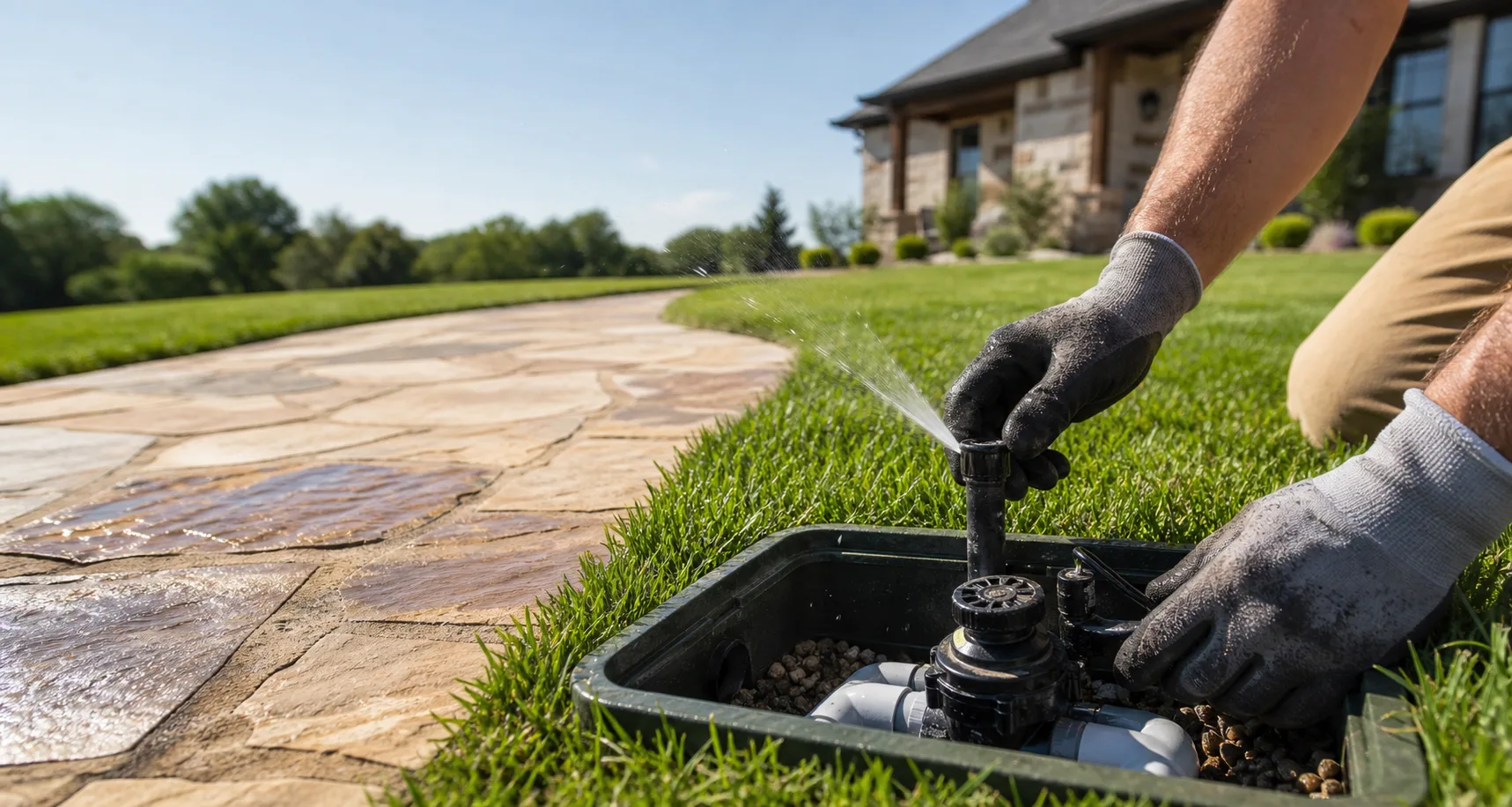
Homeowners searching for the best Granbury sprinkler repair are usually trying to avoid wasted time and repeat problems. They may have already replaced a head, reset a controller, or watched a wet spot return after every watering cycle. The best repair option is the one that diagnoses the cause instead of only treating the symptom.
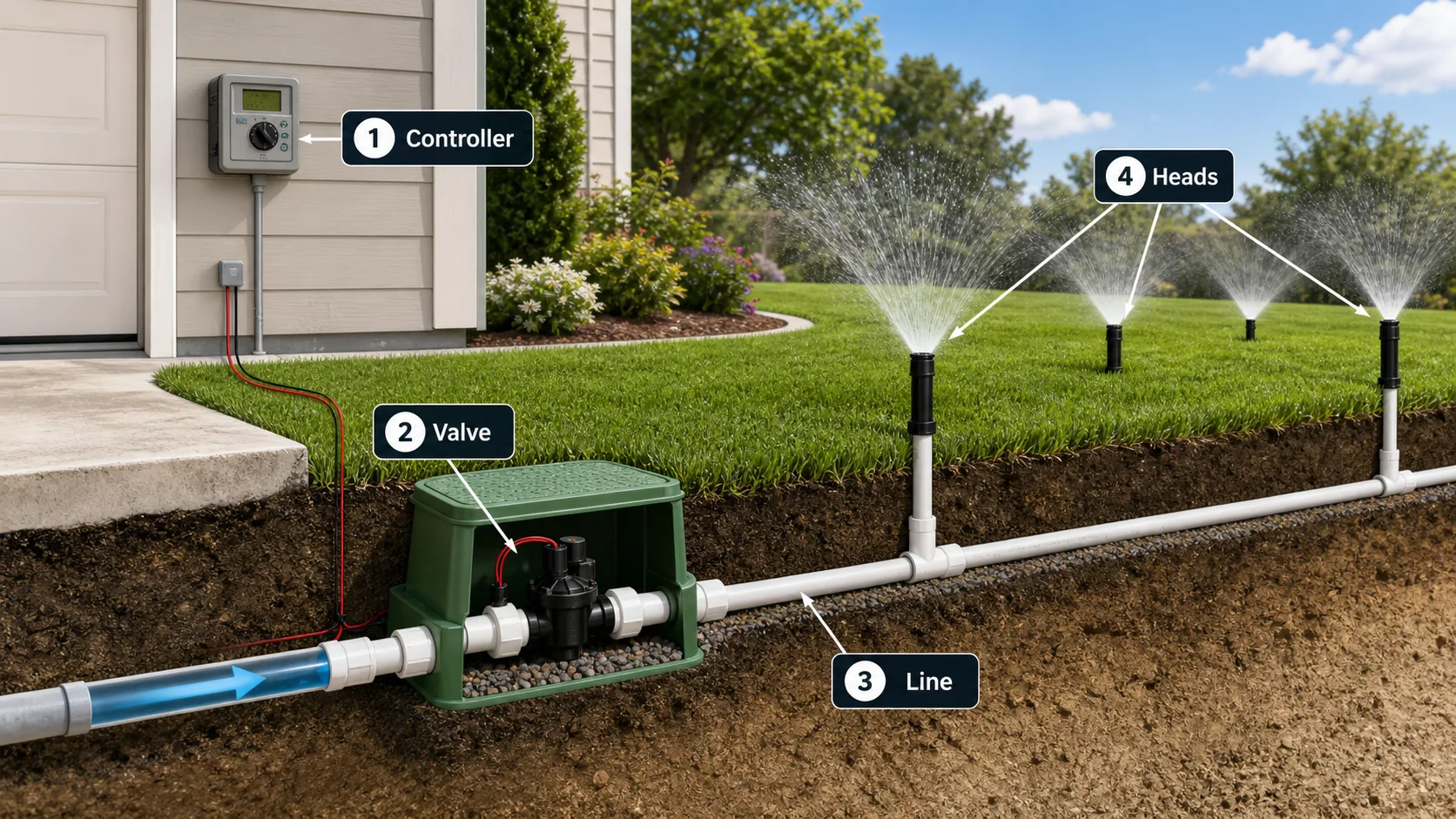
A useful repair process starts with the controller and the affected zone. If the controller is not sending a signal, the issue may be power, programming, station output, or a sensor. If the controller sends voltage but the valve does not respond, the problem may be wiring, a solenoid, or the valve body. If the valve opens but coverage is poor, the issue may be pressure, nozzles, heads, pipe, or a hidden leak.
For leak calls, the best repair path separates visible water from the actual source. A puddle near a head can be a cracked riser, but it can also be water traveling underground from a lateral line. A wet valve box can be a valve leak, fitting issue, poor drainage, or nearby line break. Repair quality depends on following the evidence.
For head and coverage calls, the best option checks spacing, height, nozzle pattern, arc, pressure, and overlap. A head that sprays the sidewalk may need adjustment. A head buried under turf may need raising. A dry area may need nozzle matching or pressure correction rather than simply adding more water time.
Credentials matter for backflow-related work. Sprinkler repair and backflow testing are connected, but they are not the same thing. If a homeowner needs regulated testing, reporting, or assembly work, the provider should be able to explain the required qualification and documentation path.
The best Granbury sprinkler repair choice should also communicate clearly. A homeowner should know what was checked, what failed, what was repaired, and what to watch after the system runs again. Clear notes reduce repeat calls and help the homeowner understand whether the system needs a small repair, seasonal adjustment, or a larger upgrade later.